
Understanding you in the context of your life
Counselling • Psychotherapy • EMDR Therapy
Sometimes you know exactly what is troubling you. At other times, you may simply know that something does not feel right.
You may be living with anxiety, trauma, grief, relationship difficulties or a significant change in your life. Something from the past may still be affecting you, or life may look manageable from the outside while inside you feel overwhelmed, disconnected, uncertain or stuck.
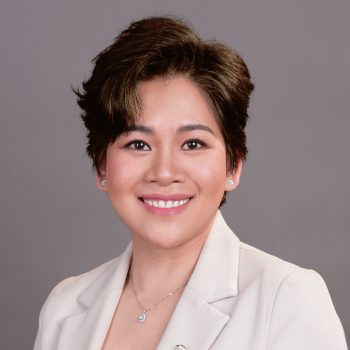
I’m Phuong (Teresa) Tran, a Psychotherapist, PACFA Registered Clinical Counsellor, EMDR Therapist and Clinical Supervisor.
I work with people by taking time to understand what they are experiencing within the wider context of their lives — including relationships, culture, health, past experiences, identity and the circumstances around them.
You do not need to know what kind of therapy you need before making contact. We can begin with what is happening for you now.
Melbourne • In-person & Telehealth • English & Vietnamese
No GP referral is required for private counselling and psychotherapy.
You don’t need to know where to begin
Many people come to counselling unsure what to say, where to start, or even how to describe what has been happening.
You do not need to have the right words, and you do not need to tell your whole story at once.
We can begin with what is happening for you now. From there, we can take time to understand what has been difficult, what may be contributing to it, and what you would like support with.
Understanding the person before choosing the approach
My approach is person-centred, trauma-informed, evidence-informed and integrative, with attention to culture, neurodiversity and individual differences.
Therapy does not begin with choosing a technique.
It begins with careful listening and developing a shared understanding of what is happening for you, how it is affecting your life, what may be contributing to it, and what you hope may become different.
Depending on your needs, goals, circumstances and readiness, our work may draw on approaches such as EMDR Therapy, Schema Therapy, Cognitive Behavioural Therapy (CBT), Acceptance and Commitment Therapy (ACT), DBT-informed practice, mindfulness-based approaches, Solution-Focused Therapy, Emotion-Focused approaches and systemic perspectives.
Different approaches may be useful at different times. We can consider together what may be appropriate as the work develops.
The approach should be guided by the person, rather than asking the person to fit the approach.
How I can help
People come to counselling for many different reasons. Sometimes one concern is at the centre of what is happening. At other times, several parts of life may be affecting one another.
You do not need to decide which category you fit into before making contact.
Trauma & PTSD
Experiences from the past can continue to influence how we feel, relate to others and respond to situations in the present. Therapy can help us understand these responses and work with the ways trauma may still be affecting your life.

Anxiety & Emotional Difficulties
You may be experiencing ongoing worry, stress, fear, low mood, emotional overwhelm, anger, low self-esteem or difficulty managing thoughts and emotions. Sometimes there is a clear reason; sometimes it is harder to understand why you feel the way you do.
Relationships & Family
Counselling can provide space to explore relationship difficulties, communication, conflict, attachment patterns, family dynamics, parenting concerns and the ways relationships affect emotional wellbeing.
Grief, Loss & Life Transitions
Grief is not limited to bereavement. Loss can also come with separation, migration, changes in health, work or family roles, ageing, or a period of life ending differently from what you had expected.
Culture, Migration & Identity
Living between cultures, languages and different expectations can affect identity, relationships and our sense of where we belong. Therapy can provide space to explore migration, cultural expectations, family responsibilities, intergenerational experiences and questions of identity and belonging.
Chronic Illness & Chronic Pain
Living with chronic illness or persistent pain can affect much more than physical health. It may influence mood, relationships, work, independence, identity and everyday life.
Counselling can provide space to make sense of these changes, explore the emotional impact of living with ongoing symptoms or limitations, and consider what you need as you adjust to circumstances that may not have a simple or immediate solution.
Cancer, Life-Limiting Illness & Palliative Care
Cancer and serious or life-limiting illness can affect much more than physical health. They may bring uncertainty, grief, changes in relationships and family roles, concerns about the future, and questions about meaning.
I provide counselling and psychotherapy for people and families experiencing the emotional, relational, cultural, spiritual and existential impact of cancer, serious illness, palliative or hospice care, caregiving, dying and bereavement.
Spiritual & Existential Concerns
There are times when practical strategies alone are not enough. Questions may arise about meaning, purpose, suffering, mortality, faith, identity or what matters most. These concerns can be explored respectfully, whether or not you identify with a particular spiritual or religious tradition.

Experience across cultures and different stages of life
My professional experience spans more than 16 years across psychology, counselling, psychotherapy, mental health, healthcare, education, psycho-oncology, palliative and hospice care, clinical supervision and spiritual care.
Before moving to Australia, I worked as a psychologist in Vietnam for more than 12 years, alongside my work and training in counselling and psychotherapy.
Working across different cultural and professional settings has shaped how I understand people, relationships and emotional wellbeing. It has taught me to pay attention not only to symptoms, but also to the influence of family, culture, language, health, trauma, identity and life circumstances.
My experience in psycho-oncology and palliative care has also taught me something important:
Not everything in life can be fixed.
Sometimes people need practical strategies or therapeutic change. Sometimes they need help making sense of what has happened. And sometimes they need a place where difficult experiences can be spoken about without being rushed toward a solution.

Between two languages, there can be an entire life
I work in both English and Vietnamese, with Vietnamese as my first language.
For me, bilingual therapy is about more than translating words. Language can carry memories, relationships, family expectations, identity, belonging and ways of understanding ourselves.
In individual counselling and psychotherapy, you are welcome to speak in English, Vietnamese, or move naturally between both.
Trong tham vấn và trị liệu cá nhân, bạn có thể chia sẻ bằng tiếng Việt, tiếng Anh, hoặc linh hoạt sử dụng cả hai ngôn ngữ theo cách tự nhiên và phù hợp với bạn.
Cultural context can also be part of the therapeutic conversation whenever it is relevant to you.
Professional knowledge with a human approach
Professional knowledge provides an important foundation for therapy, but qualifications and techniques alone do not create a therapeutic relationship.
How you are listened to matters.
Whether you feel respected matters.
Whether there is room for your culture, values and circumstances matters.
And whether you feel able, over time, to speak honestly about difficult experiences matters.
My aim is to bring together professional knowledge, evidence-informed practice and a genuine human relationship, while keeping your needs, preferences and goals at the centre of the work.
When something from the past still feels present – Trauma & EMDR Therapy
Sometimes you can know logically that something is over and that you are safe now, yet your mind or body continues to respond as though the danger is still present.
Certain memories, situations, relationships, sensations or emotions may trigger reactions that feel difficult to understand or manage.
EMDR (Eye Movement Desensitisation and Reprocessing) is a structured psychotherapy approach that may be used as part of treatment for trauma and PTSD.
I don’t automatically recommend EMDR simply because someone has experienced trauma.
We first consider your history, current circumstances, resources, goals and readiness, and then decide together whether EMDR may be appropriate.
EMDR is one approach within therapy — not the whole therapeutic relationship.
We cannot change what happened.
But we can work with the ways those experiences may still be affecting your life today.

Clinical supervision grounded in practice
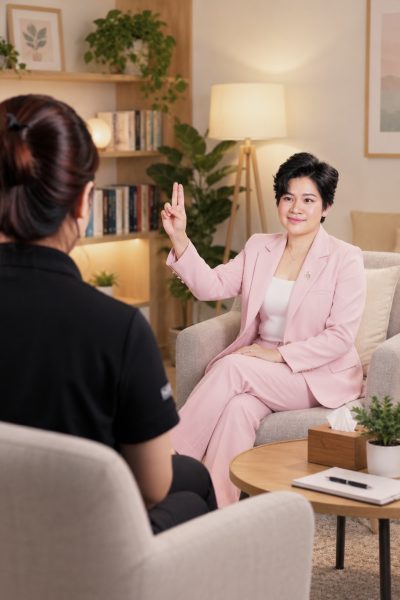
Alongside my therapeutic work, I provide individual and group clinical supervision within my professional scope of practice.
As an ACA Registered Supervisor, I work collaboratively and reflectively, with attention to clinical work, ethical practice, culture, professional boundaries, practitioner wellbeing and ongoing professional development.
My supervision experience has developed across mental health, counselling, education and healthcare settings in Vietnam and Australia.

CONTACT
For your privacy, please keep your initial email, text message, voicemail or contact form enquiry brief and avoid including sensitive personal or health information.
You can simply provide your name, preferred contact details and a short note about the reason for your enquiry. More detailed information can be discussed privately once contact has been established.
Have a question, feedback, or a general message? You are welcome to get in touch.
Please do not use this form for urgent, crisis, or emergency support, and avoid including sensitive personal, medical, or detailed clinical information.
Your message will be handled with care and in accordance with applicable privacy and confidentiality requirements.
This practice is not a crisis or emergency service. If you or someone else is in immediate danger, call 000. For crisis support, contact Lifeline on 13 11 14.
232 Main Road East,
St Albans, VIC 3021
