
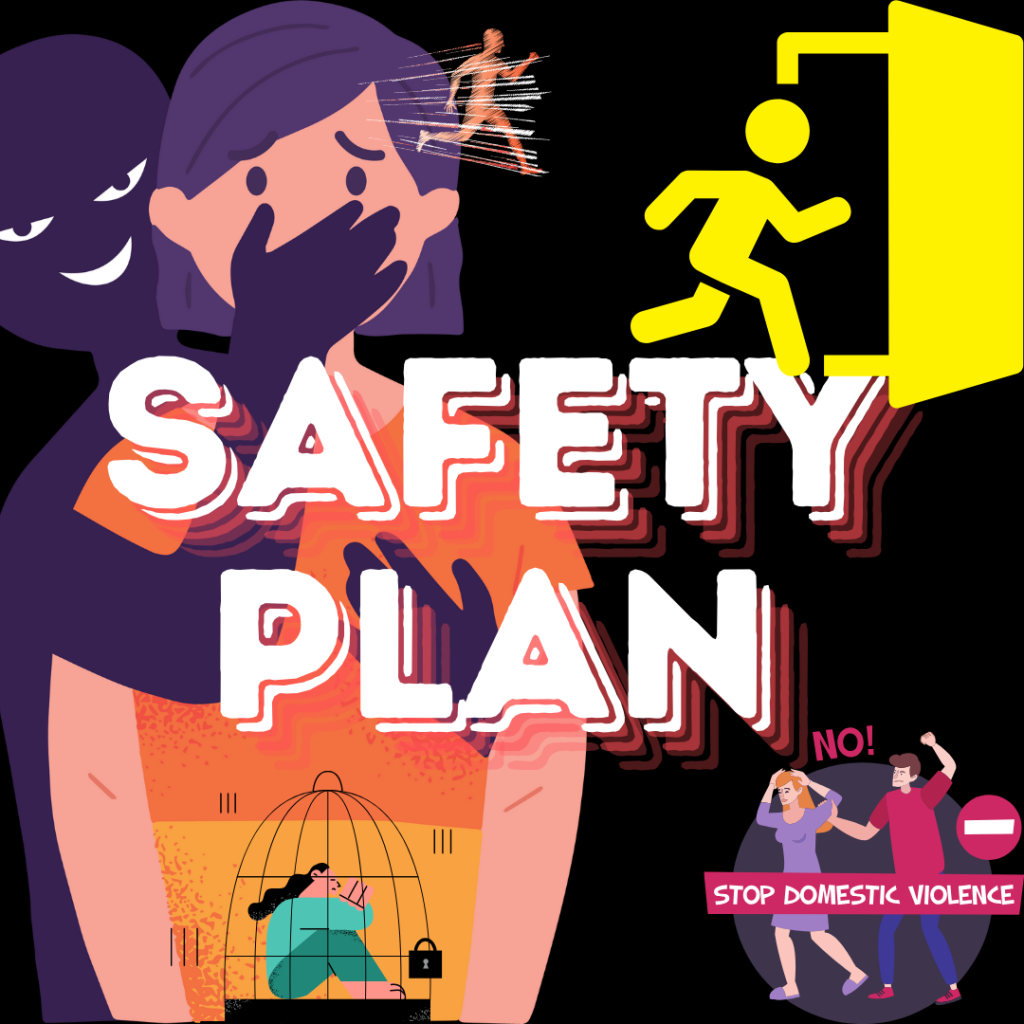
Leaving home in a situation of domestic violence is an extremely difficult but necessary decision. Here are the reasons why leaving home is important:
Protecting Personal Safety
- Avoiding Further Harm: Domestic violence tends to escalate. Staying can lead to more serious injuries or even life-threatening situations.
- Reducing the Risk of Death: Studies show that victims of domestic violence have a high risk of being killed by their abusers if they remain in the dangerous environment.
Protecting Children
- Preventing Psychological Trauma: Children who witness domestic violence often suffer severe psychological impacts, including anxiety, depression, and behavioral issues.
- Ensuring Healthy Development: A violent environment is not safe for children’s physical and psychological development. Leaving home ensures a healthier living environment for them.
Beginning the Recovery Process
- Creating a Safe Space: Leaving home provides the space and time needed to start the recovery process, both physically and mentally.
- Seeking Support: Once out of the abusive environment, it is easier to access support services, counseling, and resources to help rebuild your life.
Building a Free Future
- Escaping Control: Domestic violence often comes with control and possession. Leaving home helps you break free from that control and reclaim your personal freedom.
- Creating a New Foundation: Leaving opens up opportunities to build a new life where you can make decisions without fear.
Demonstrating Resilience
- Affirming Self-Worth: Leaving home shows that you respect and protect your self-worth and do not accept living in an abusive situation.
- Setting an Example for Children: The decision to leave sends a strong message to children that violence is unacceptable and everyone deserves to live in safety and respect.
Leaving home in a situation of domestic violence is not just about protecting personal safety but also about starting the journey to recovery and building a new, safer, and healthier life.
Preparing to Leave Home
If domestic violence is escalating:
- Leave the situation if possible: Prioritize your immediate safety by exiting the environment as soon as it feels unsafe.
- Identify safe places: Determine safe spots both inside and outside the home where you can seek refuge.
- Pack essential items in advance: Have a bag ready with personal documents (ID, birth certificates), medications, money, and important phone numbers.
- Store important documents securely: Ask a trusted person to keep copies of essential documents like legal papers and identification.
- Plan your destination: Know in advance where you will go once you leave, such as a friend’s house, a shelter, or another safe place.
Informing Neighbors
- Seek help from neighbors: Identify a neighbor who can assist you and ask them to call the police if they hear any disturbances from your home.
Safety Plan for Children
- Prepare a safe place for children: Ensure your children know where to go if they feel unsafe.
- Instruct on emergency actions: Teach your children what to do in an emergency, including whom to call and where to go.
Calling the Police
- Report the incident: As soon as it is safe, call the police at 000 to report the situation.
- Contact WDVCS: If safe, call the Women’s Domestic Violence Crisis Service (24/7) at 1800 015 188 for additional support.
After Separating from Your Partner
Protecting Personal Information
- Change your phone number: Get a new phone number and set it to ‘private number’ to protect your privacy.
- Use a different SIM card: Utilize a separate SIM card when communicating about your children to prevent tracking.
Recording Incidents
- Document violence: Keep a detailed record of any instances of violence or situations that cause fear. These notes can be crucial if you decide to file for an Intervention Order.
Changing Habits
- Alter personal routines: Regularly change your daily habits and routes to avoid predictability.
- Park in safe places: Choose well-lit, public areas for parking.
- Seek public areas: If you encounter your former partner, move to a public or crowded place as quickly as possible.
Workplace Safety
- Inform your employer: Discuss your situation with your employer and explore ways they can help ensure your safety at work.
Staying Safe Online and on Social Media
Protecting Personal Accounts
- Update or delete accounts: Change or remove your Facebook account and your children’s accounts to protect your privacy.
- Secure your email: Change your email address and make it harder to track.
- Disable GPS: Turn off GPS functions on your phone and your children’s phones to prevent location tracking.
Using Public Computers
- Avoid being tracked: Use public computers or a friend’s computer to minimize the risk of being monitored.
Keeping Your Children Safe
Teaching Children About Danger Signs
- Recognize warning signs: Educate your children about the signs of danger and how to respond.
- Emergency contacts: Ensure they know who to call and where to go in an emergency. Teach them to call 000 and provide essential information like your address.
Informing the School
- Notify school or daycare: Inform the school or daycare about the domestic violence situation and any special conditions in the Intervention Order to ensure your children’s safety.
By following this comprehensive safety plan, you can better protect yourself and your children from the dangers of domestic violence, ensuring a safer and more secure future.
Emergency Support Services
General Support:
- 1800RESPECT (1800 737 732): National counseling service for those affected by family, sexual, or domestic violence.
- Safe Steps (1800 015 188): Emergency support for women and children facing domestic violence in Victoria.
- Lifeline (13 11 14): Crisis support and suicide prevention for all Australians.
- Men’s Referral Service (1300 766 491): Helps men address their violent behavior.
- Kids Helpline (1800 551 800): Free, confidential counseling for children and young people in Australia.
- inTouch (1800 755 988): Services and programs for family violence in migrant and refugee communities.
Family Dispute Resolution:
- Family Relationship Advice Line (1800 050 321)
- Relationships Australia (1300 364 277)
- Local Community Mediation Centers: Check local listings or online directories.
LGBTIQ+ Support:
- Rainbow Door (1800 729 367): Specialized support for the LGBTIQ+ community facing family violence, intimate partner violence, elder abuse, sexual assault, and relationship issues.
Emergency Out-of-Hours Support for Family Violence Victims
Safe Steps: Comprehensive Crisis Support
- Services: Family violence response center providing crisis support, information, and accommodation for women (and those identifying as women).
- Phone: 1800 015 188 (24/7)
- Email: safesteps@safesteps.org.au
- Online Support: 9:00 am to midnight, Monday to Friday
- Website: Safe Steps
Victims of Crime: Comprehensive Support for Victims of Violence
- Services: Information and support for any victim of family violence, sexual violence, and other violent crimes.
- Phone: 1800 819 817
- Text: 0427 767 891 (8:00 am to 11:00 pm daily)
- Email: vsa@justice.vic.gov.au
Translation Services (TIS)
- If you need an interpreter for these services, call the Translating and Interpreting Service (TIS) at 131 450.
By following this comprehensive safety plan and utilizing available support services, you can better protect yourself and your children from the dangers of domestic violence, ensuring a safer and more secure future.
—
Phuong Tran Counselling and Psychotherapy Services
Mobile: 0449521397
Address: 232 Main Road East, St. Albans, VIC 3021
Email: contact@phuongtran.com.au
Website: phuongtran.com.au
—
LASTEST POSTS
- Hướng dẫn phân biệt vai trò và thẩm quyền hợp pháp của các chuyên gia sức khỏe tâm thần tại Úc
 Bạn đang tìm hiểu ai được phép viết thư hỗ trợ, chẩn đoán rối loạn tâm thần, hoặc cung cấp báo cáo pháp lý tại Úc? Bài viết này sẽ giúp bạn hiểu rõ vai trò, quyền hạn và giới hạn của các chuyên gia trong lĩnh vực sức khỏe tâm thần. Tại Úc, chăm sóc sức khỏe tâm thần được quản lý chặt chẽ bởi các cơ quan nghề nghiệp như AHPRA, PACFA, ACA và AASW. Không phải chuyên gia nào cũng có quyền chẩn đoán, hoặc cung cấp tài liệu hợp pháp để nộp cho Centrelink, bảo hiểm,… Read more: Hướng dẫn phân biệt vai trò và thẩm quyền hợp pháp của các chuyên gia sức khỏe tâm thần tại Úc
 - Bình Đẳng Trong Mối Quan Hệ – Nền Tảng Của Tình Yêu & Tôn Trọng🔍 Bình Đẳng Trong Mối Quan Hệ Là Gì? Bình đẳng không có nghĩa là ai mạnh hơn ai, ai kiểm soát ai, hay ai có quyền ra lệnh cho ai. Một mối quan hệ bình đẳng là nơi cả hai người đều có tiếng nói, được tôn trọng và có quyền tự do thể hiện bản thân. 💡 Bình đẳng là nền tảng của một mối quan hệ lành mạnh, nơi mà không ai cảm thấy bị kiểm soát, bị ép buộc hoặc phải đánh mất chính mình để làm hài lòng người kia. 📌 Bạn có đang ở trong một mối quan hệ bình… Read more: Bình Đẳng Trong Mối Quan Hệ – Nền Tảng Của Tình Yêu & Tôn Trọng
- Rào Cản Khi Rời Khỏi Mối Quan Hệ Bạo Hành & Các Bước An Toàn Để Rời Đi💔 Tại sao nhiều người không thể rời khỏi mối quan hệ bạo hành? Khi nhìn từ bên ngoài, nhiều người sẽ thắc mắc: “Tại sao nạn nhân không rời đi?” Nhưng thực tế, rời khỏi một mối quan hệ bạo hành là một trong những thời điểm nguy hiểm nhất, với nhiều trở ngại về tài chính, pháp lý, cảm xúc, gia đình, văn hóa và con cái. Không phải vì họ muốn ở lại – mà vì họ cảm thấy không có lựa chọn nào khác. Hãy cùng phân tích những rào cản khiến nạn nhân khó rời đi và cách họ có thể… Read more: Rào Cản Khi Rời Khỏi Mối Quan Hệ Bạo Hành & Các Bước An Toàn Để Rời Đi
- Kiểm Soát Cưỡng Chế – Dạng Bạo Lực Tinh Thần Nguy Hiểm Nhất Mà Ít Ai Nhận RaBạn có từng cảm thấy như mình đang mất dần quyền kiểm soát cuộc sống, luôn phải điều chỉnh lời nói và hành động để tránh làm phật lòng ai đó? Bạn có bị tách biệt khỏi bạn bè, gia đình và cảm thấy mình là người có lỗi trong mọi vấn đề? Nếu câu trả lời là có, rất có thể bạn đang là nạn nhân của kiểm soát cưỡng chế (coercive control) – một dạng bạo hành tâm lý và tinh thần tinh vi nhưng gây hậu quả sâu sắc không kém gì bạo lực thể chất. 🚨 Kiểm soát cưỡng chế là gì?Đây là hành vi kiểm soát, thao… Read more: Kiểm Soát Cưỡng Chế – Dạng Bạo Lực Tinh Thần Nguy Hiểm Nhất Mà Ít Ai Nhận Ra
- Mô Hình Kiểm Soát Và Quyền Lực Trong Bạo Lực Gia Đình – Nhận Diện Để Thoát KhỏiBạo lực gia đình không chỉ dừng lại ở những cú đấm hay vết bầm tím. Đó còn là sự kiểm soát tâm lý, thao túng cảm xúc, ép buộc tài chính, đe dọa, cô lập và cưỡng ép tình dục. Kẻ bạo hành không chỉ dùng vũ lực mà còn tạo ra một vòng xoáy kiểm soát, khiến nạn nhân dần mất đi sự tự do và quyền tự quyết trong cuộc sống của mình. Hãy cùng tìm hiểu “Mô hình Kiểm soát và Quyền lực” (Power and Control Wheel) để nhận diện các hình thức bạo lực gia đình và tìm cách thoát… Read more: Mô Hình Kiểm Soát Và Quyền Lực Trong Bạo Lực Gia Đình – Nhận Diện Để Thoát Khỏi
- Làm Thế Nào Để Nhận Biết Người An Toàn Và Người Không An Toàn Trong Các Mối Quan Hệ?Trong cuộc sống, không phải ai cũng đáng tin cậy hoặc mang lại cho bạn cảm giác an toàn. Một số người có thể khiến bạn cảm thấy tổn thương, bất an và bị kiểm soát. Ngược lại, những người an toàn sẽ tôn trọng bạn, lắng nghe bạn và giúp bạn phát triển. Việc nhận diện đâu là “người an toàn” và “người không an toàn” có thể giúp bạn thiết lập những mối quan hệ lành mạnh và bảo vệ chính mình khỏi những mối quan hệ độc hại. 🔍 DẤU HIỆU NHẬN BIẾT NGƯỜI KHÔNG AN TOÀN 1️⃣… Read more: Làm Thế Nào Để Nhận Biết Người An Toàn Và Người Không An Toàn Trong Các Mối Quan Hệ?
